

Unveiling 15 August: Hidden Facts About India’s Independence Day
4 Unknown Facts About 15 August
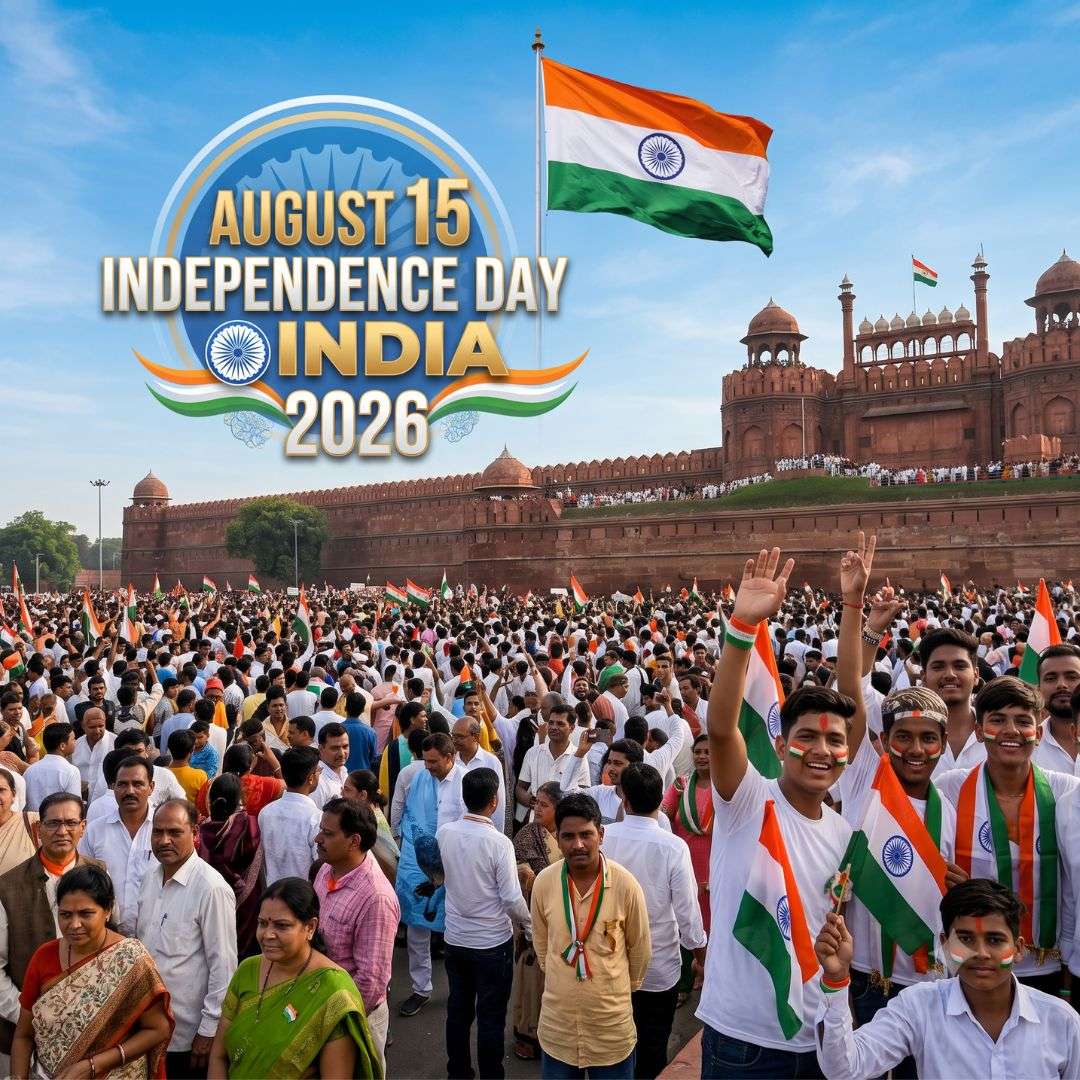
Every year on 15 August, India bursts into vibrant hues of saffron, white, and green to celebrate Independence Day. While millions tune in to watch the Prime Minister unfurl the Tricolor at the Red Fort, history holds intriguing secrets behind this historic date. Beyond textbook narratives lie several lesser-known realities about 15 August 1947.
1. Why Was 15 August Chosen?
Independence was originally slated for June 30, 1948. However, Lord Mountbatten advanced the date to 15 August 1947 because it coincided with the second anniversary of Japan’s surrender in World War II.
2. No Official National Anthem in 1947
When India gained freedom at midnight, it had no official national anthem. Rabindranath Tagore’s Jana Gana Mana was officially adopted as the anthem three years later, on 24 January 1950.
3. Radcliffe Line Was Published Post-Independence
Though the border demarcation map between India and Pakistan was ready by 9 August 1947, Sir Cyril Radcliffe published the Radcliffe Line on 17 August 1947—two days after Independence—to avoid immediate political turmoil during the celebrations.
4. Global Freedom Companions
India isn’t alone in celebrating on this date. Five other nations—South Korea, North Korea, Bahrain, Liechtenstein, and Republic of the Congo—also share 15 August as their Independence Day.
The Legacy Lives On
15 August represents the triumph of courage over colonial rule. Uncovering these hidden historical layers offers a deeper appreciation for the journey of the world’s largest democracy.
#IndiaIndependenceDay #15August #IndianHistory #FreedomStruggle #78thIndependenceDay #HarGharTiranga #UnheardHistory #ProudIndian
Written by Mann Gulati.