

Why We Celebrate Tulsi Diwas and Its Origin
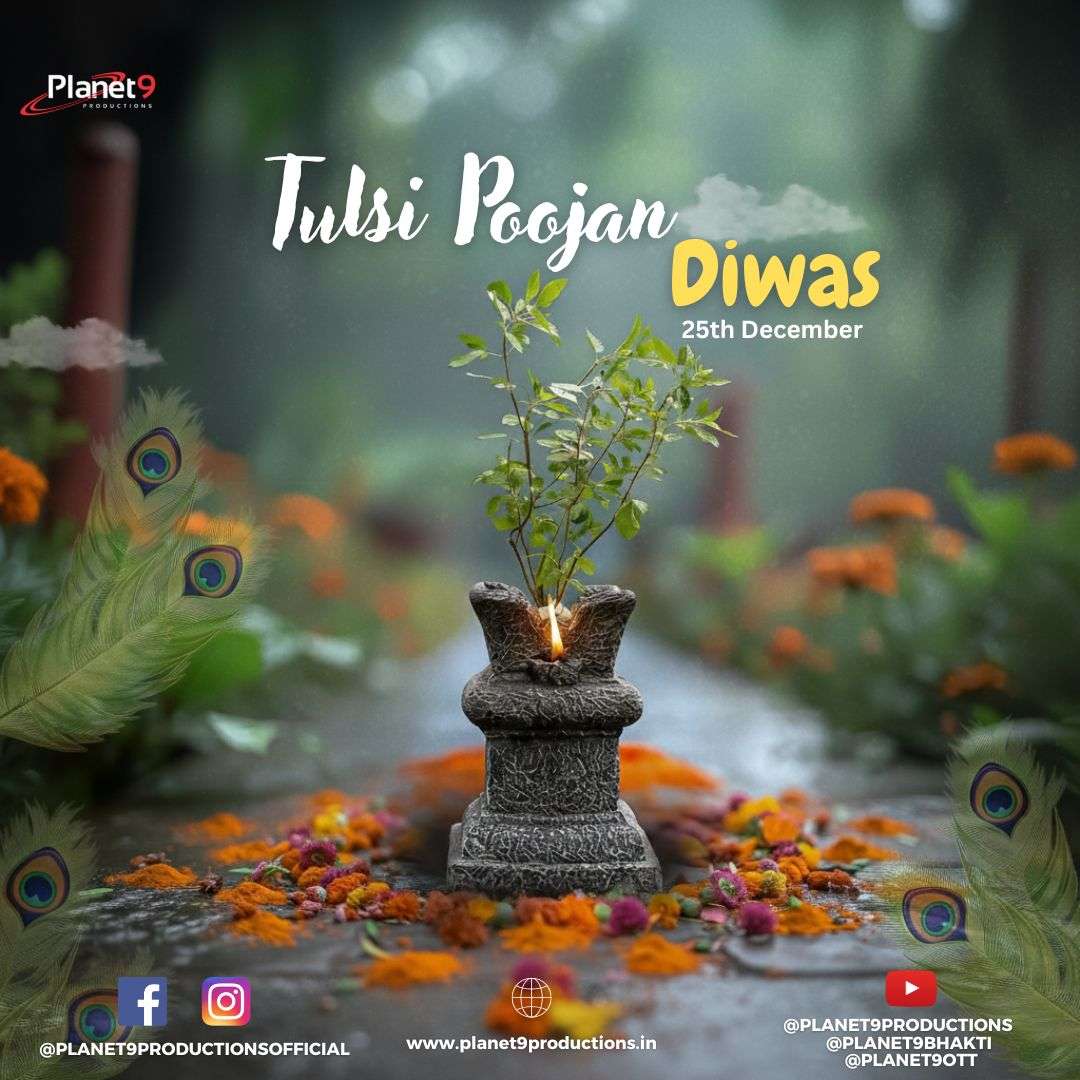
Why We Celebrate Tulsi Diwas and Its Origin
Tulsi Diwas is celebrated every year on 25th December to honor the sacred Tulsi plant, also known as Holy Basil, which holds immense spiritual, medicinal, and cultural significance in Indian tradition. Tulsi is not just a plant but is revered as a divine manifestation of Goddess Lakshmi and Vrinda Devi, symbolizing purity, devotion, and protection.
The origin of Tulsi Diwas is deeply rooted in Hindu scriptures such as the Padma Purana, Skanda Purana, and Bhagavata Purana. According to ancient legends, Tulsi was born as Vrinda, a devoted wife whose unwavering faith and purity transformed her into the sacred Tulsi plant. Lord Vishnu blessed her, declaring that she would be worshipped in every household and that no worship of Vishnu would be complete without Tulsi leaves. This divine blessing elevated Tulsi to a central place in Sanatan Dharma.
Tulsi Diwas is also associated with Tulsi Vivah, a symbolic ceremonial marriage of Tulsi with Lord Vishnu or Shaligram, marking the end of Chaturmas and the beginning of the auspicious wedding season in Hindu culture. Devotees perform Tulsi Poojan, offer water, lamps, incense, and circumambulate the plant, seeking health, peace, and prosperity.
Beyond spirituality, Tulsi is celebrated for its powerful Ayurvedic benefits. It is known to boost immunity, purify the air, reduce stress, and protect the body from various ailments. By dedicating a day to Tulsi, our ancestors emphasized the importance of living in harmony with nature and respecting plants as life-givers.
Tulsi Diwas reminds us of our responsibility to protect nature, preserve ancient wisdom, and stay connected to our spiritual roots. In today’s fast-paced world, this sacred day encourages mindfulness, gratitude, and holistic well-being.